



Nowadays, Artificial Intelligence technology is for sure not lacking of attention in media and academic publications. But how much use is made of the potential of Data Science and innovation in European medical practice?
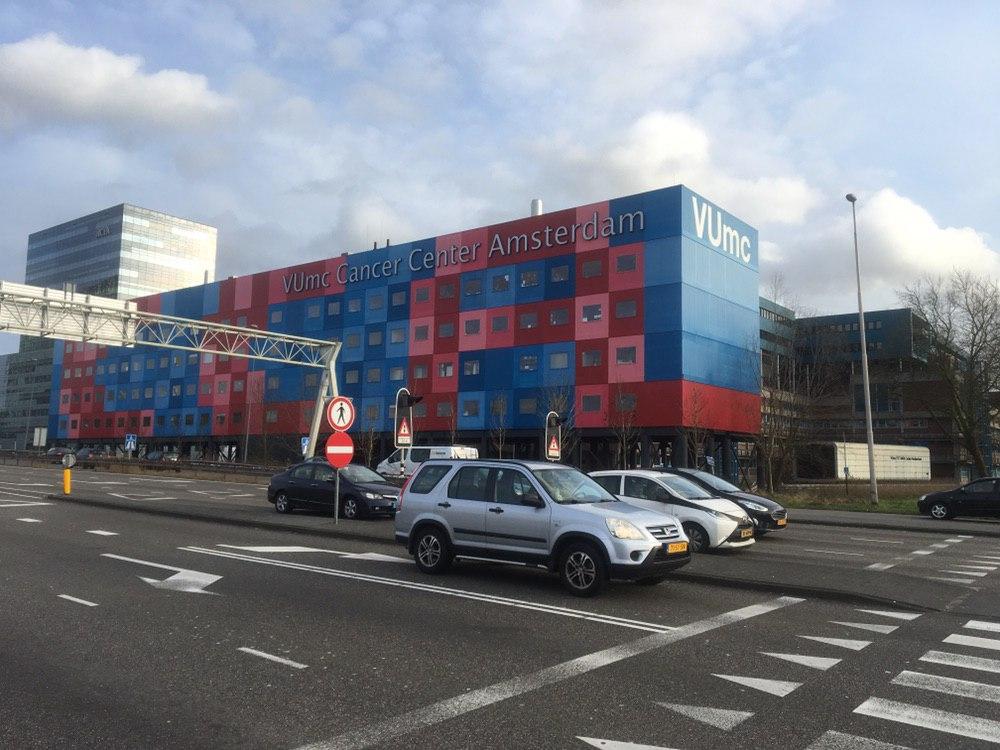
On February 18th, 2019, Skinive specialists attended a medical conference linking top-class healthcare professionals and DataScience at the VUmc Cancer Centre in Amsterdam.
The event was hosted by the Amsterdam Medical Data Science community, Amsterdam UMC, VU University Amsterdam and the University of Amsterdam.
We would especially like to highlight the following reports:
- Phosphoproteomics for Precision Medicine – Connie Jiminez (Pulmonology, Amsterdam UMC)
- Deep Generative Modeling for Histopathology Images – Jakub Tomczak (VU, Amsterdam)
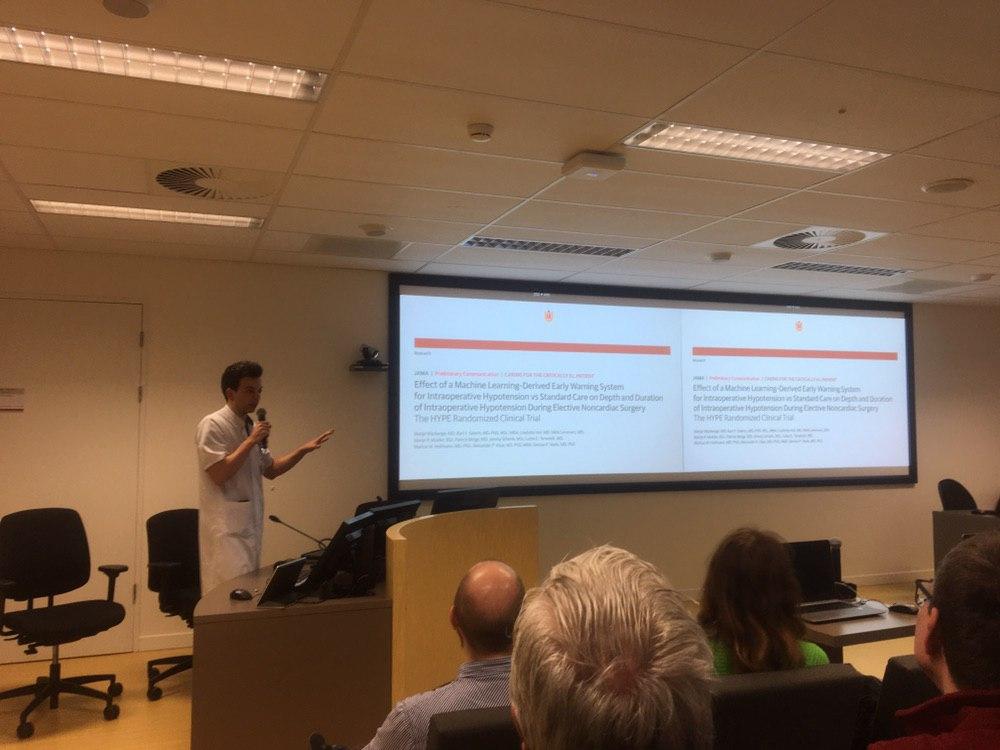
It was an excellent opportunity to get valuable tips and get acquainted with the Dutch medical community!
Our team was very pleased to attend the meeting and would like to thank the organisers for the invitation.
We are looking forward to developing a partnership with the best European experts.
Recommended articles preview:

2nd June 2010
[AI Generated] Acne types
OpenAI NN input: You may hear the term “breakout” used to describe all forms of acne, but this isn’t always an accurate description. Not all types of acne spread across the skin. Clogged pores cause acne itself. These may be attributed to: excess production of oil (sebum) bacteria hormones dead skin cells ingrown hairs [Generated […]

8th January 2022
ELISE Open Call grant funding to Skinive to develop its AI-based solution
Happy to start 2022 by announcing that Skinive has been selected to get through the ELISE AI program – EU-funded European Network of AI Excellence Centres 🎉🥇💶 Thanks Thanks to the European Horizon 2020 and ELISE AI network! Within the framework of the ELISE program, together with a network of artificial intelligence research hubs and […]
1st June 2010
[AI Generated] Overview of skin flushing
OpenAI NN input: Skin flushing or blushing describes feelings of warmth and rapid reddening of your neck, upper chest, or face. Blotchiness or solid patches of redness are often visible when blushing. Flushing happens as a result of increased blood flow. Whenever there is more blood flow to an area of skin (such as your […]