


![[AI Generated] What is keratosis pilaris?](https://app.skinive.com/wp-content/uploads/2018/06/Dz2o-25X0AEZoWv-604x339.jpg)
OpenAI NN input:
Keratosis pilaris or “chicken skin” is a common skin condition that causes patches of rough-feeling bumps to appear on the skin. These tiny bumps or pimples are actually dead skin cells plugging hair follicles. These bumps sometimes appear red or brown in color.
Chicken skin is commonly found on the upper arms, thighs, cheeks, or buttocks. Chicken skin isn’t contagious and these bumps don’t usually cause any discomfort or itching. This condition is known to worsen in the winter months when the skin tends to dry out, and may also worsen during pregnancy.
There’s no cure for this harmless, genetic skin condition, however there are some ways to treat it, or prevent it from getting worse. Keratosis pilaris will usually clear up naturally by the time you reach 30 years old. Keep reading to learn more.”
[Generated by OpenAI]
What are the symptoms?
There are many main signs and symptoms that can interfere with skin care:
A redness. Blood loss due to the skin cells that form hair follicles. These white cells, when they grow too large, go into black spots on the side of your nose and throat. They cause the skin to become irritated.
The areas on your skin that turn brown, black or red can sometimes become slightly red or become more yellow than normal depending on the severity of your condition. The rash can be very painful, so don’t attempt to treat with a medication. If you are unsure if a rash is a sign, ask your doctor. You can also ask your dermatologist or dermatologist’s office to discuss other symptoms with your child’s physician.
If there are any bumps or pimples on the face of a baby, it’s caused by some sort of bacteria. In extreme cases, the baby’s nose may become dry, red, or gray.
Darkening the skin. Sometimes, a red-colored pimple develops on the face of a baby. If you see these bumps along with the redness, something very unusual, or if you have a rash, you may not need to see a doctor. If your child is born with red, swollen, or swollen or blemishes, you may want to consult an emergency clinic to see if you can get a blood test to try and see which part could be causing the rash.
Shattering a hair follicle. This is a common hair-trigger condition that can be treated as rash, but sometimes it still happens in your children without a diagnosis after having been treated by their doctor. Often, this reaction happens to babies of mothers who had a rash, usually in the morning (after morning hair removal). Because it often happens to all babies, many doctors will treat this with the use of a lotion or face wash.
Your doctor may tell you that you should avoid taking this, as any rash can happen during the night when your hair and nails are wet, but this rash can easily be avoided. After a doctor has performed X-rays for the rash, you’ll be able to see how strong the rash really is.
Recommended articles preview:

28th September 2019
Skinive won 1st place at Seedstars Minsk 2019
The final stage of the Belarusian stage of the international startup competition Seedstars World 2019 was held in Minsk. The jury recognized Skinive as the best startup, it is an artificial intelligence platform that can recognize more than 30 of the most common skin diseases. Belarus set a record for the number of applications filed […]
10th December 2018
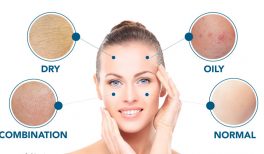
Iidentify your skin type online!
When determining skin type, two different conversations quickly surface. There is the more beauty-focused skin type discussion that refers to how our skin feels, how much oil it produces and how it reacts to products (think: normal, dry, oily, etc.) and then there is the skin type discussion that focuses on how our skin reacts […]

9th December 2018
Woman Born With Moles All Over Her Body Is Trying Out for Miss Universe
Evita Delmundo was bullied for years after being born with moles all over her body — now, she’s setting her sights on becoming the next Miss Universe Malaysia. “It’s always been a dream for me to try out for Miss Universe Malaysia,” she told Elle Malaysia. “I feel likes it’s a good way for me to showcase […]